

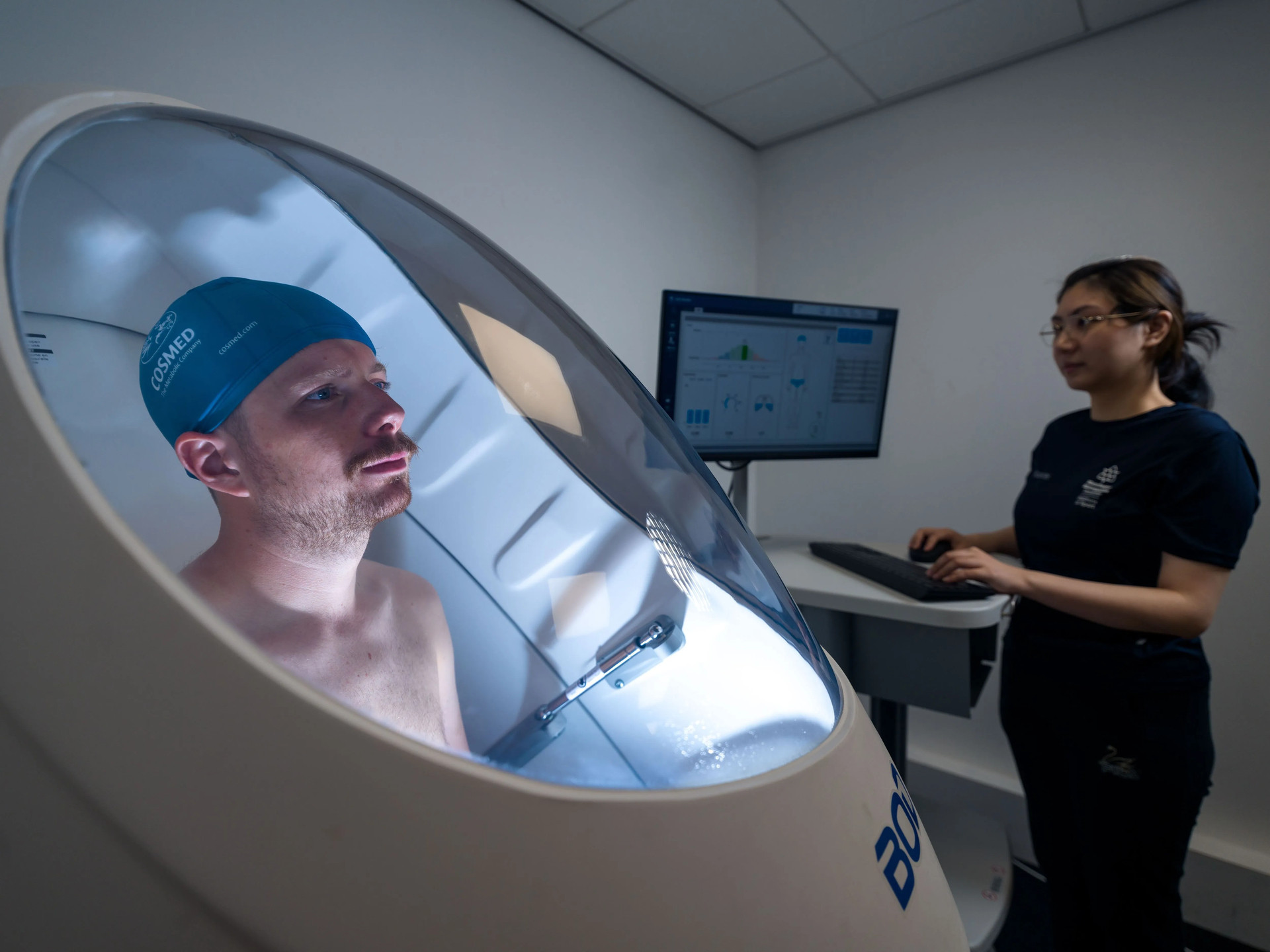
Why is this relevant to me? Sport and exercise science focuses on the positive benefit of physical activity on health outcomes.
Research in this area is wide ranging and makes a profound difference to both individuals and communities. Maybe research is based on the social contributions of sport, addressing economic or cultural challenges. Other research outputs may push an exceptional athlete to elite standards, performing at the highest levels. Indeed, sport and exercise research extends to helps prevent and treat conditions and diseases, such as diabetes, fibromyalgia/fatigue and cardiovascular disease.
Through this RISE Self Study Pack you will learn about research ethics and health & safety (H&S) and why it is important to consider them. Studying ethics and H&S offers a ‘map’ of research issues so that you recognise them when you encounter them. While it can’t solve the problems you might have or even motivate you to do the right thing it is helpful to have advance warning of where the perils might lie in research. It will give you more tools with which to think about difficult situations in the future.
The bottom line is:
In sports and exercise research you will be working with people and you must actually *think* about the ethical components of your research. Consider if your research is safe to complete for both you and your subjects.
Rules give very little guidance in tricky situations. While it might seem like extra ‘red tape’, thinking about ethics and H&S in advance is a much better approach than crisis management.

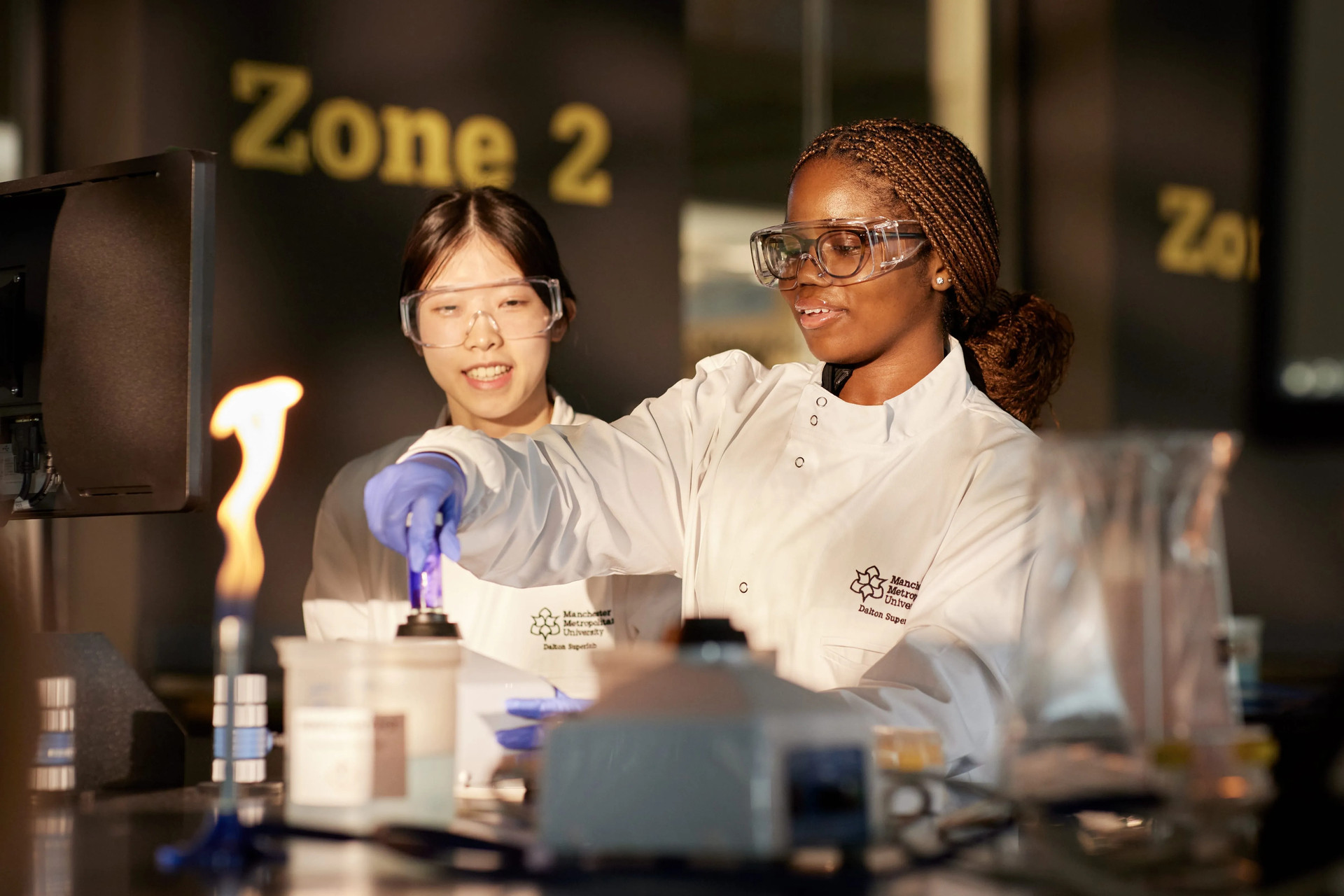
This is a technical skills self-study pack that introduces you to Hydrogen Fuel Cell technology.
This resource was developed by Dr. Tiziana Denaro, a researcher and technical leader with extensive experience across the clean energy conversion sector.
Currently the Technical Manager for the Manchester Fuel Cell Innovation Centre (MFCIC) at Manchester Met Uni, Dr. Denaro’s career bridges academia and industry. She conducted postdoctoral research at Imperial College London and contributed to research at the National Centre of Research (CNR) in Italy. On the industrial front, she held key scientific roles—focused on electrochemical systems for diverse applications including hydrogen generation, solar conversion, and water treatment—with leading companies such as Dyesol, ITM Power, and Arvia Technology.
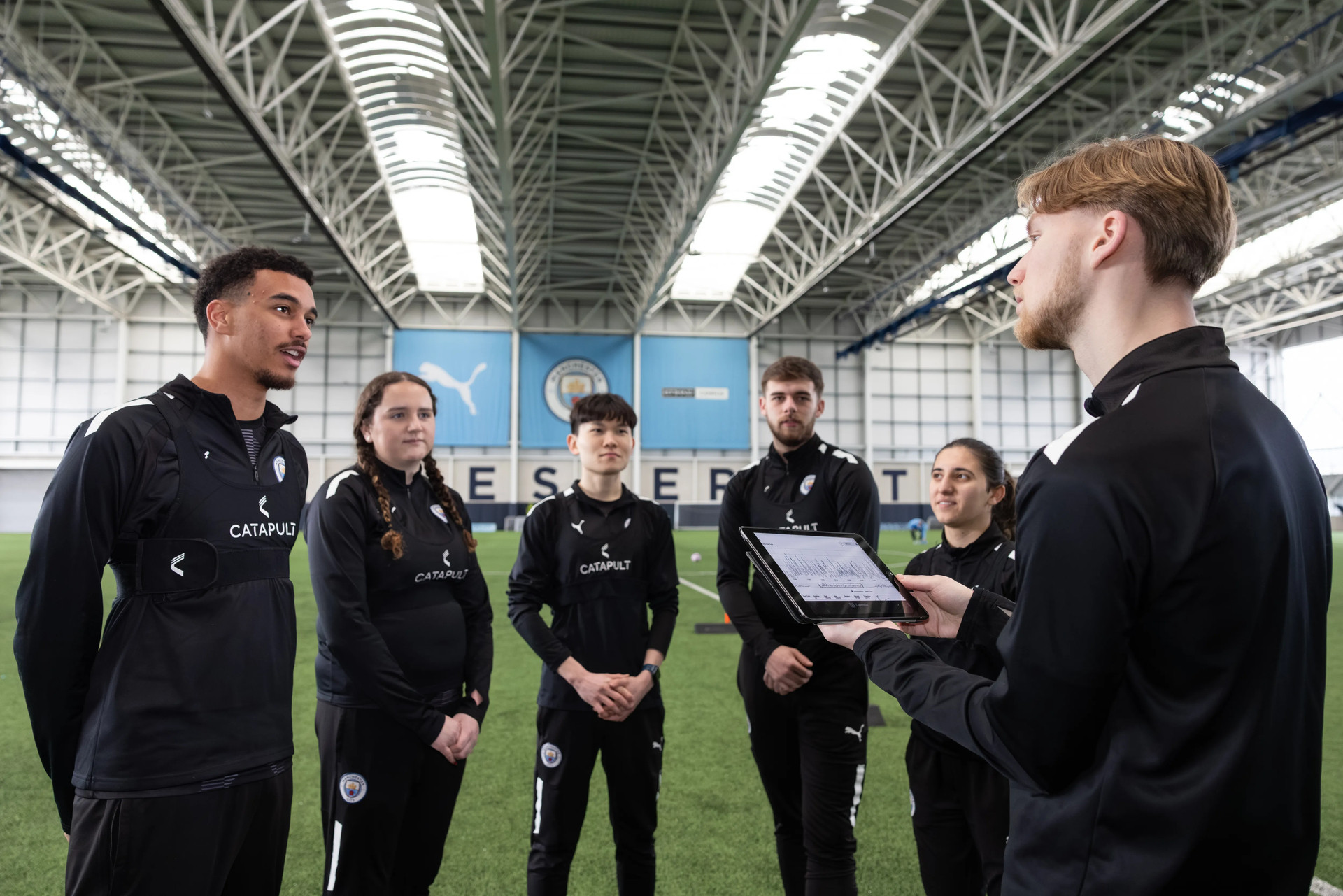
The self-study ‘Sports Leaders’ pack is designed to help support you as club committee members to complete your roles effectively.
As a committee member you are responsible for shaping the way your club operates, deciding on membership, number of teams, how you spend your membership and what you want to achieve in the year ahead.
You are the first point of contact for the MMU Sport team and also for your club members.
This pack provides you with digital training that can be done at your own convenience and enable you to have a sound understanding on the practices you need to know as a club committee member.
How we support you as a sports club:
The University is responsible for all club operations, this includes; coaches pay; officials pay; training facilities; transport; fixtures and competitions.
The Students’ Union deliver on representation, committee elections and act as your student voice through sports council.
Key Contacts
Darren Waldron – Senior Manager (Sport Development)
Speak to me about club finance, club development, coaching and management of the club and participation programme
Contact me: d.waldron@mmu.ac.uk / 07767440722
Matthew Baxter – Sport Development Officer – Clubs
Speak to me regarding BUCS administration, leagues/competition and club development.
Contact me: Matthew.Baxter@mmu.ac.uk / 07876 089315
Your student officer
This role is elected into each year, you can speak to them regarding any club related concerns and elections. They cannot help in regards to operational needs but are there to help you as a feedback mechanism.
Contact me: s.u.sportsofficer@mmu.ac.uk
